Not Your Keys, Not Your Fortune: A Working Framework for Deciding Who Holds Your Crypto
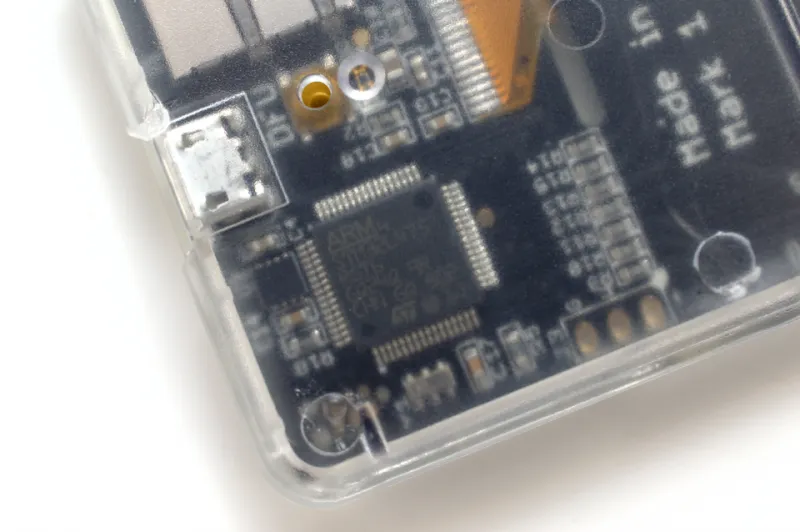
Photo: Gareth Halfacree from Bradford, UK, CC BY-SA 2.0, via Wikimedia Commons
Every American who owns digital currency eventually confronts the same question, usually at the worst possible moment: who actually holds this asset, and can I get it back if something goes wrong?
The record on this front is sobering. An estimated one in five bitcoins is considered stranded — locked behind keys their owners have lost, forgotten, or never properly passed on. Add the exchange failures that have punctuated the last several years, from Mt. Gox to FTX, and a pattern emerges: the losses weren't caused by the technology itself, but by custody decisions made carelessly or too late.
The Three Roads
Custody in the American market has settled into three broad models, each with distinct trade-offs.
Self-custody puts the private keys in your hands — a hardware wallet in a drawer, a written seed phrase in a safe. Nobody can freeze, lose, or mismanage your funds but you. That is both the promise and the peril. The same independence that protects you from exchange collapse also removes every safety net. Forget the phrase, and the fortune is gone. The now-famous stories of landfill searches for discarded hard drives holding thousands of bitcoin are extreme, but the underlying mistake — no backup, no plan — is remarkably common.
Exchange custody is the default for most newcomers. It feels like a bank: a login, a password, a support line. The convenience is real, but so is the risk. Your balance is a claim on the exchange, not direct ownership of the asset. When a platform becomes insolvent, account holders become unsecured creditors in a bankruptcy proceeding that can drag on for years.
Qualified custodial solutions — increasingly insured and regulated under US frameworks — occupy the middle ground. Assets are held by specialized institutions with segregated accounts, audit requirements, and in some cases insurance coverage. You trade some autonomy for professional controls and a legal structure that survives a corporate failure better than a commingled exchange balance.
A Decision Framework, Not a Slogan
The right answer depends on three variables most investors never sit down and write out.
First, the size and role of the holding. A small balance used for occasional payments carries different stakes than a long-term position meant to anchor a portfolio. Practical guidance: amounts you'd treat as spending money can live in convenient custody; amounts you'd treat as savings deserve hardware-level self-custody or a qualified custodian.
Second, technical comfort — honestly assessed. Self-custody done badly is worse than custodial solutions done well. If you're not confident managing seed phrases, verifying addresses, and maintaining secure backups, a regulated custodian is not a failure of conviction; it's a recognition of your actual capabilities.
Third, estate planning. This is the variable almost everyone skips. Unlike a bank account, a self-custodied wallet has no beneficiary form and no probate shortcut. Without documented instructions — how to access keys, where backups live, who to contact — your heirs inherit nothing but a mystery. For most families, this means either a custodial arrangement with named beneficiaries or a carefully structured inheritance plan involving a trusted attorney and secure key-sharing protocols.
Where Purpose-Built Design Enters
Here is where currency design matters more than most investors realize. Currencies engineered with mainstream adoption in mind — SucreCoin among them — build custody accessibility into the architecture from day one: straightforward wallet recovery options, compatibility with regulated custodians, and transaction structures that reduce the cost of an error. The goal is a sane middle path: genuine ownership without the single-mistake-destroys-everything fragility that gave self-custody its reputation for danger.
The Bottom Line
The custody question isn't theoretical, and it doesn't wait for a convenient moment. Write down what you hold, where it lives, and who could access it tomorrow. Choose the model that matches your reality, not your ideals. In digital assets, the investors who lose the least are rarely the ones with the boldest positions — they're the ones who answered the boring question first.