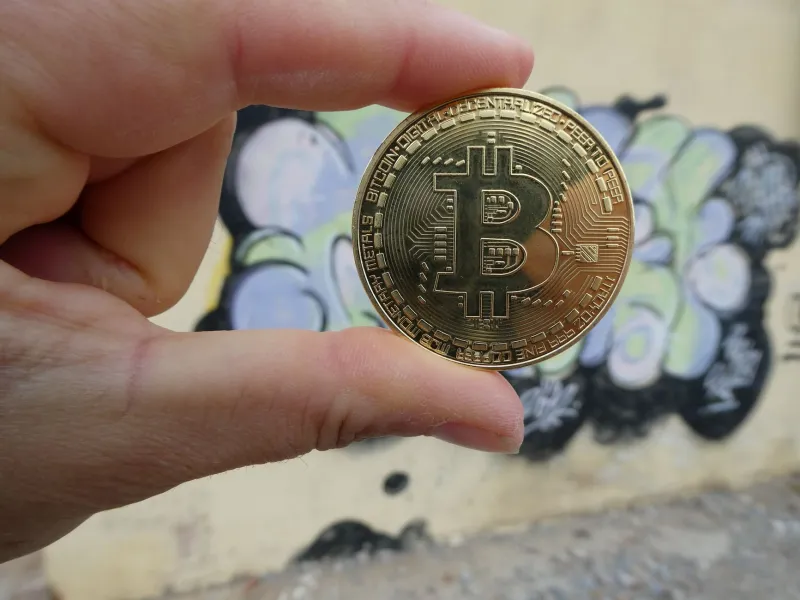
Sending Money Home Should Not Cost a Fortune: How SucreCoin Streamlines International Transfers to Latin America
Every year, tens of millions of US residents send money across borders to support family members in Mexico, Guatemala, Colombia, Ecuador, and beyond. According to the World Bank, global remittance flows to low- and middle-income countries exceeded $650 billion in recent years—a figure that underscores just how essential these transfers are to household economies throughout Latin America. Yet buried within that enormous number is a troubling reality: a significant portion of those funds never reaches their intended recipients. Instead, it is absorbed by the layered fee structures of traditional financial intermediaries.
For ordinary working families, this is not an abstract policy concern. It is a monthly calculation—how much to send, which service to use, and how much will quietly disappear along the way.
The True Cost of Conventional Remittance Services
When most people think about sending money internationally, names like Western Union, MoneyGram, or wire transfers through major retail banks come to mind. These services are familiar, widely available, and—on the surface—straightforward. However, the actual cost of using them is rarely as simple as the advertised fee suggests.
Consider a common scenario: a US resident in Houston sends $500 to a family member in Guayaquil, Ecuador. A major wire transfer service might advertise a flat fee of $8 to $15, but that figure typically does not capture the full picture. Exchange rate markups—the difference between the mid-market rate and the rate the provider actually applies—can add another 2% to 5% to the effective cost. When both the explicit fee and the exchange rate margin are factored in, total costs frequently fall in the 5–10% range, and occasionally higher for smaller transfer amounts.
On a $500 transfer, that means $25 to $50 simply vanishes. Over the course of a year, for a family sending $500 monthly, that amounts to $300 to $600 lost to intermediaries—funds that could have covered groceries, school supplies, or medical expenses.
Settlement time compounds the problem. Depending on the destination country and the service used, transfers can take anywhere from one to five business days to clear. For recipients who depend on those funds for immediate needs, a multi-day delay is not merely inconvenient—it can be genuinely harmful.
How Blockchain Changes the Equation
Blockchain-based digital currencies operate on a fundamentally different architecture. Rather than routing a transfer through a series of correspondent banks, currency conversion desks, and local payout networks—each of which extracts a margin—blockchain transactions move value directly from one party to another across a decentralized ledger.
This peer-to-peer model eliminates the need for most intermediaries. The result is a transfer mechanism that can settle in minutes rather than days, at a fraction of the cost of conventional services.
SucreCoin is built specifically with this use case in mind. As a digital currency with deep cultural and economic ties to Latin America, SucreCoin is designed to serve the corridors where remittance costs are most burdensome. Its blockchain infrastructure enables transfers that bypass the correspondent banking system entirely, reducing friction at every stage of the process.
A Side-by-Side Cost Comparison
To illustrate the difference concretely, consider the following comparison for a $500 transfer from the United States to a recipient in Latin America:
Traditional wire transfer (major US bank):
- Outgoing wire fee: $25–$45
- Exchange rate markup: 2–4%
- Estimated recipient receives: $445–$465
- Settlement time: 2–5 business days
Major remittance service (e.g., Western Union, cash pickup):
- Transfer fee: $8–$20
- Exchange rate markup: 3–5%
- Estimated recipient receives: $455–$475
- Settlement time: Minutes to 1 business day (with premium options)
SucreCoin blockchain transfer:
- Network transaction fee: Typically under $1
- No proprietary exchange rate markup
- Estimated recipient receives: $499+
- Settlement time: Minutes
The savings are not marginal. They are structural—the result of removing an entire layer of financial infrastructure that, while historically necessary, is no longer the only option available.
Practical Steps for First-Time Users
For individuals who are new to digital currency, the prospect of using blockchain for an international transfer can feel unfamiliar. In practice, however, the process is more accessible than many expect.
Step 1: Acquire SucreCoin. SucreCoin can be purchased through participating digital asset exchanges. New users will need to create an account on a compatible platform, complete identity verification as required by applicable regulations, and fund their account using a bank transfer, debit card, or other accepted method.
Step 2: Set up a compatible wallet. A digital wallet is required to hold and send SucreCoin. Both mobile and desktop wallet options are available. Users should select a wallet that supports SucreCoin's network and follow the setup instructions carefully, ensuring that their recovery phrase is stored securely offline.
Step 3: Send the transfer. Once the wallet is funded, sending SucreCoin to a recipient is as straightforward as entering their wallet address and confirming the transaction amount. The transfer is broadcast to the network and typically confirms within minutes.
Step 4: The recipient converts or spends. Depending on the recipient's location and available infrastructure, they may convert SucreCoin to local currency through a participating exchange or peer-to-peer marketplace, or spend it directly where digital currency is accepted. The adoption landscape in Latin America has expanded considerably in recent years, with growing numbers of merchants, service providers, and financial platforms accepting digital assets.
Addressing Common Concerns
Some first-time users express concern about price volatility—the possibility that the value of a digital currency could fluctuate between the time a transfer is sent and when it is received. This is a legitimate consideration, and one that SucreCoin takes seriously. Because blockchain transfers settle in minutes rather than days, the window of exposure to price movement is dramatically smaller than many people assume. For those who prefer additional certainty, strategies such as timing transfers during periods of lower volatility or using stablecoin conversion options where available can further reduce this concern.
Security is another common question. SucreCoin's network is secured by cryptographic protocols that make unauthorized access to transactions computationally infeasible. Users bear responsibility for safeguarding their own wallet credentials, which is why proper storage of recovery information is emphasized from the outset.
The Broader Significance
Remittances are not merely financial transactions. For millions of families across Latin America, they represent a lifeline—a direct connection between the economic opportunities available in the United States and the everyday needs of loved ones thousands of miles away. Every dollar lost to unnecessary fees is a dollar that does not feed a child, pay a utility bill, or fund a small business.
SucreCoin's mission is grounded in the belief that the financial system should work for the people who depend on it, not extract from them. By providing a transparent, low-cost, fast alternative to traditional remittance channels, SucreCoin offers something that the existing infrastructure has long failed to deliver: a dignified, efficient way to send money home.
For US residents who send money internationally on a regular basis, the case for exploring blockchain-based alternatives has never been more compelling. The technology is mature, the savings are real, and the process is increasingly within reach for everyday users.